
Devotees across India are preparing to observe Hal Shashthi, a significant cultural and religious festival dedicated to the well-being and longevity of children, on Wednesday, September 2. Falling on the Shashthi Tithi of the Krishna Paksha in the month of Bhadrapada—two days before Janmashtami—the festival is widely celebrated as Hal Chhath, Har Chhath, or Lalhi Chhath. In Chhattisgarh, the day holds particular cultural resonance, where it is observed with deep reverence as Kamarchhath or Khamarchhath.
Spiritual Significance and Traditions
The festival commemorates the birth of Lord Balarama, the elder brother of Lord Krishna. Known as ‘Haladhar’ for his primary weapon, the plough, Lord Balarama represents strength and protection. On this day, mothers observe a rigorous fast, seeking the blessings of the divine for the health, prosperity, and long life of their children. Astrologically, this year’s observance will be marked by the auspicious alignment of Bharani Nakshatra and Dhruva Yoga.
The Essence of the ‘Kamarchhath’ Fast
The unique dietary restrictions of Kamarchhath reflect a deep connection to nature and traditional agricultural practices. The fast mandates the consumption of only “unploughed” food items, emphasizing the following rituals:
- Pasahar Rice: Devotees consume wild, naturally grown rice (often referred to as ‘Lal Bhat’).
- Sacred Offerings: Consumption is strictly limited to products derived from buffalo milk, including curd and ghee.
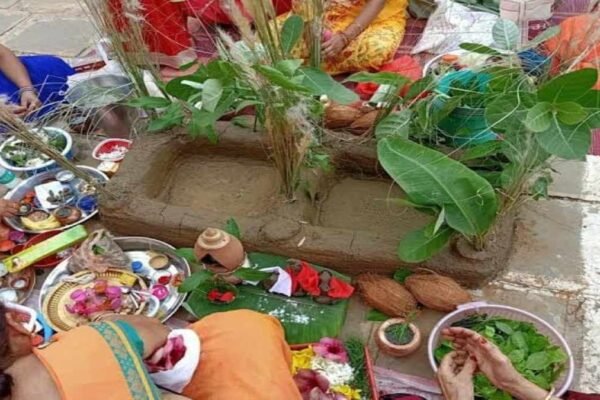
- Symbolic Ponds: Women create small, symbolic ponds known as ‘Sagari’ in their homes or neighborhoods, offering milk and curd as part of the worship rituals dedicated to Lord Shiva and Goddess Parvati.
- Six-Fold Offerings: The number six holds symbolic importance throughout the day, often reflected in the preparation of six types of leafy greens (bhaji).
Regional Customs in Chhattisgarh
In Chhattisgarh, the festivities extend beyond fasting. A cherished tradition involves mothers applying ‘peeli pothi’ (a yellow pigment) on the backs of their children following the collective worship. This ritual is believed to protect children from the ‘evil eye’ and invoke divine blessings for their future. The day serves as a poignant reminder of the enduring bond between parent and child, rooted in centuries-old traditions that continue to thrive in modern households.